October 12, 2026


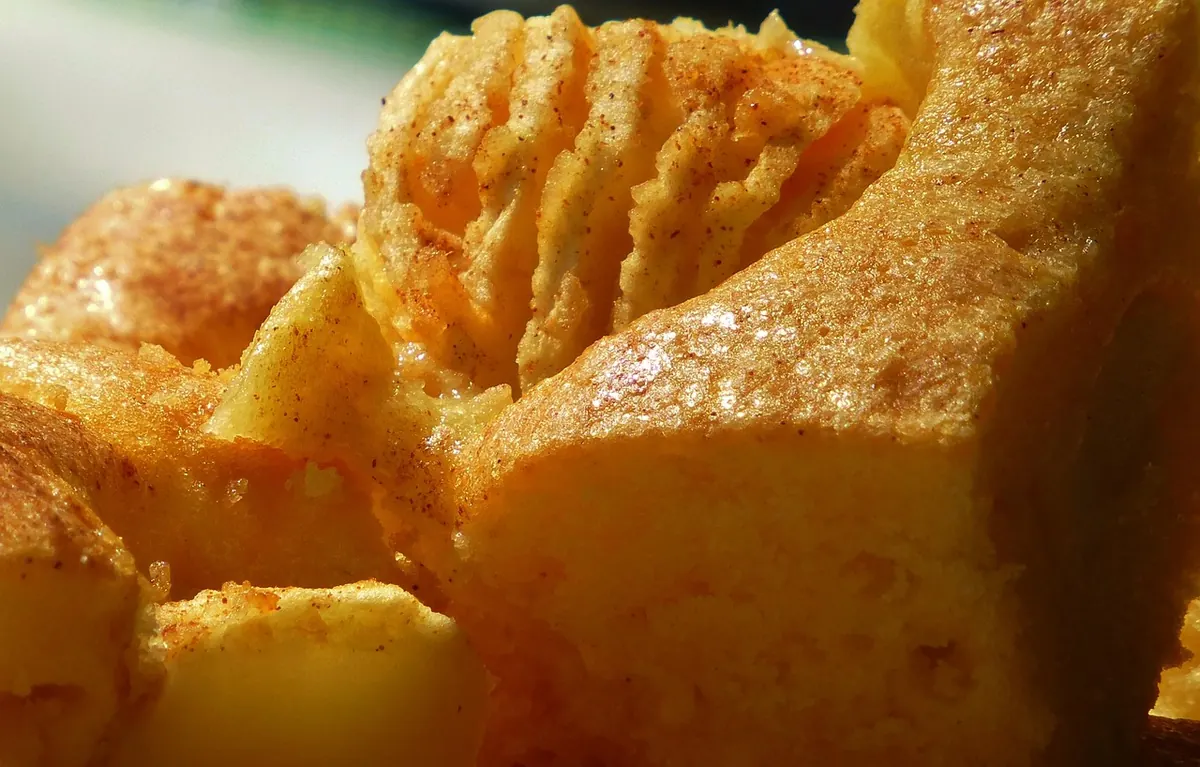
Sticky toffee pudding has a name that does most of the selling for it, and the good news is that the reality lives up to the label. A dark, date-flecked sponge, soft enough to give way under a spoon, sitting in a sauce that tastes of butter and brown sugar. It appears on pub menus from Cornwall to the Highlands, but it began as home cooking and it still works best that way. Soak some dates, beat a straightforward batter, bake, then make the sauce while the pudding cools for ten minutes. That is the whole job.
What follows is a method that works, plus the small decisions that separate a decent pudding from one people ask you to make again.
The pudding is a date sponge, not a toffee sponge. Dates do three things at once: they sweeten it, they keep the crumb loose and damp, and they give that deep, almost molasses colour that plain sugar cannot. If you have ever had a version that tasted thin and cakey, the dates were probably too few or too dry.
The modern dish is usually traced to the Lake District in the 1970s, though steamed date puddings had been part of British cooking long before that. What changed was the sauce: a proper toffee of butter, dark sugar and cream, poured over while the sponge is still warm. It should be glossy and pourable, thick enough to coat the back of a spoon but not so thick that it sits on top like fudge. A pinch of salt matters more than it sounds.
Nothing here is hard to find. The quality of two or three things, though, shows up in the finished bowl.
A teaspoon of vanilla in the batter is pleasant but optional. A spoonful of black treacle in the sauce is not classic, but it gives a darker, faintly bitter edge that keeps the sweetness in check.
That dark water the dates sat in is not something to drain away. It carries most of the flavour and nearly all of the moisture, and it is what makes the sponge sticky rather than merely sweet. The batter will look wetter than a standard cake batter. Trust it.
Make the sauce while the pudding bakes, or in the ten minutes it cools. Put 115g butter, 115g dark brown sugar and 150ml double cream in a heavy saucepan with a good pinch of salt. Warm over a low heat, stirring until the sugar has dissolved, then let it bubble gently for three to five minutes until it looks glossy and has thickened slightly. It firms up considerably as it cools, so pull it off the heat while it still pours.
Two things go wrong here. Boiling it hard makes the sauce grainy, and cooking it for too long can make it split. If it splits, take the pan off the heat and whisk in a teaspoon of cold water, or a small knob of cold butter, until it comes back together. If it looks thin, simmer another minute; if it looks like fudge, loosen it with a splash of warm cream.
The pudding can be baked a day ahead, cooled, and kept covered at room temperature, then reheated in a low oven under foil for about fifteen minutes. It also freezes well. The sauce keeps in a jar in the fridge for a week; reheat it gently with a spoonful of cream.
Warm, not hot. Cold cream, hot custard, vanilla ice cream or clotted cream all have their supporters, and there is little point arguing. Poke a few holes in the top of each portion before pouring the sauce over, so it seeps into the sponge instead of sliding off. Bring extra sauce to the table in a jug — people always want more than you expect.
For a dinner party, individual puddings look smarter and bake in half the time. For a Sunday lunch, one big tin cut into squares is exactly right. A spoonful of crème fraîche alongside does the same job as the salt in the sauce: it keeps the sweetness in check.
The first time, follow the measurements. The second time, adjust: more dates for a denser pudding, muscovado instead of soft brown sugar, a splash of espresso in the sauce for a darker edge. Keep the sauce warm until the moment it is poured, and write down whatever you changed, because the version your household prefers will not be the one in any book.
Last thing: this is a rich pudding and it is meant to be. Serve modest portions, be generous with the sauce, and let people come back for more.
Photo: WikimediaImages / Pixabay
Exploring sweet desserts and curious pudding recipes.
Copyright © 2026 Curious Pudding. All rights reserved. Curious Pudding.